unsere Plantagen
Our Farm
Finca La Isabela
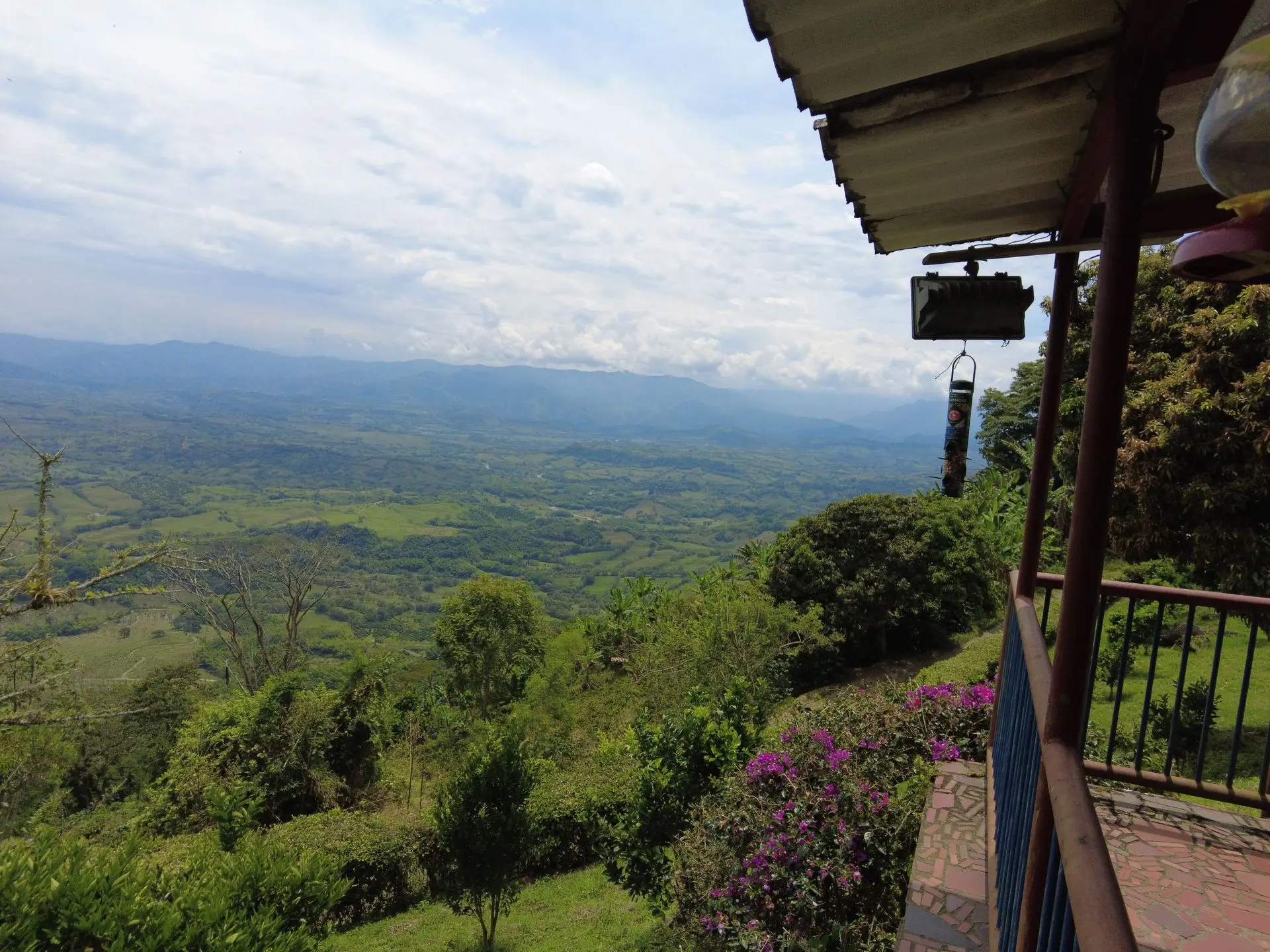
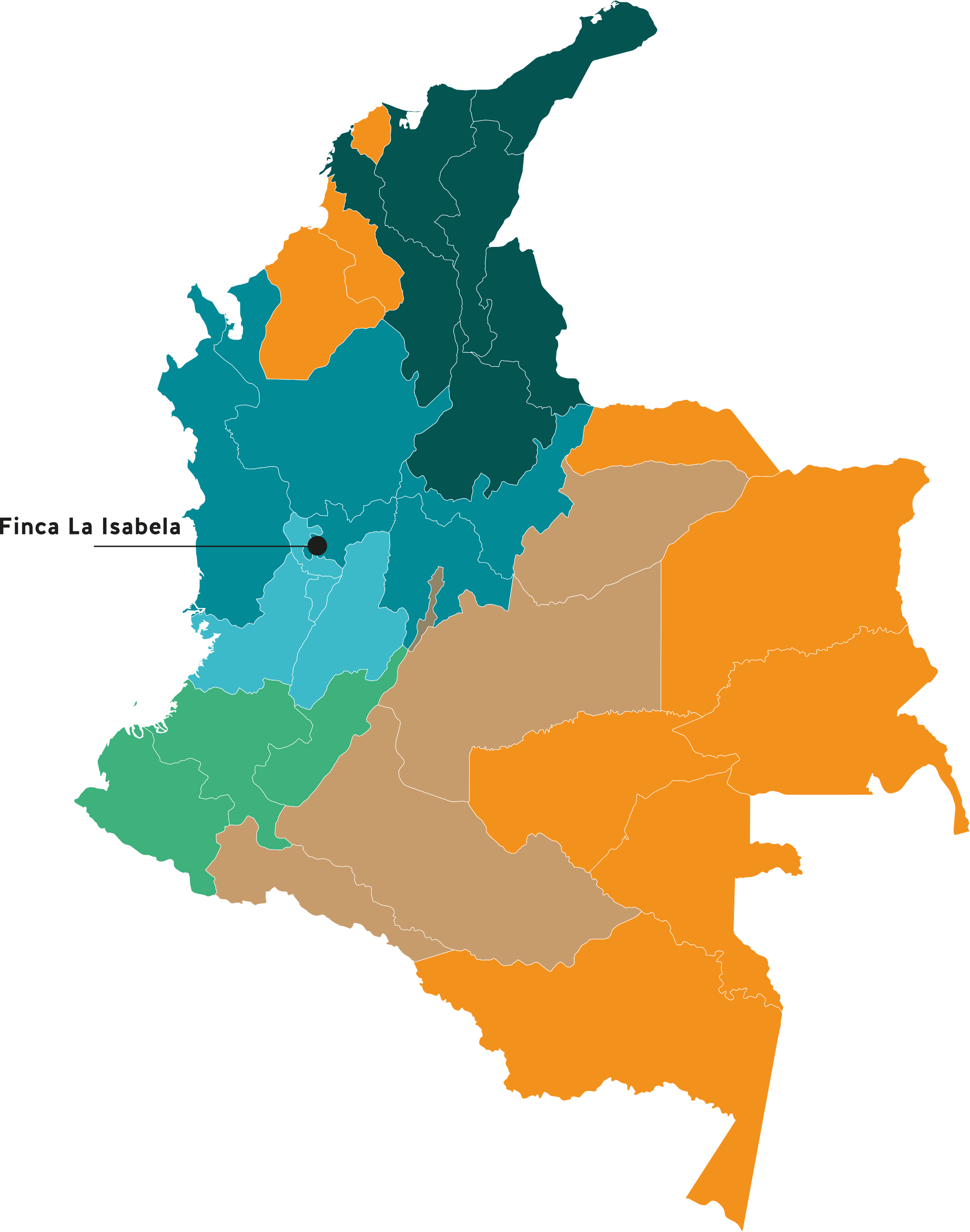
The Finca "La Isabela" is located in the center of the so-called Colombian Coffee Triangle, a landscape shaped by coffee cultivation that was designated a UNESCO World Heritage Site in 2011.
It is situated at an altitude of between 1200 and 1450 meters above sea level. The cultivation areas are on very fertile volcanic soils, with an average temperature of 23 degrees Celsius. Additionally, the annual rainfall ranges between 2000 and 3000 mm. Therefore, we have excellent conditions for the cultivation of Arabica beans at these altitudes.
5°08'21.7"N 75°35'39.1"W
The plantation and its employees
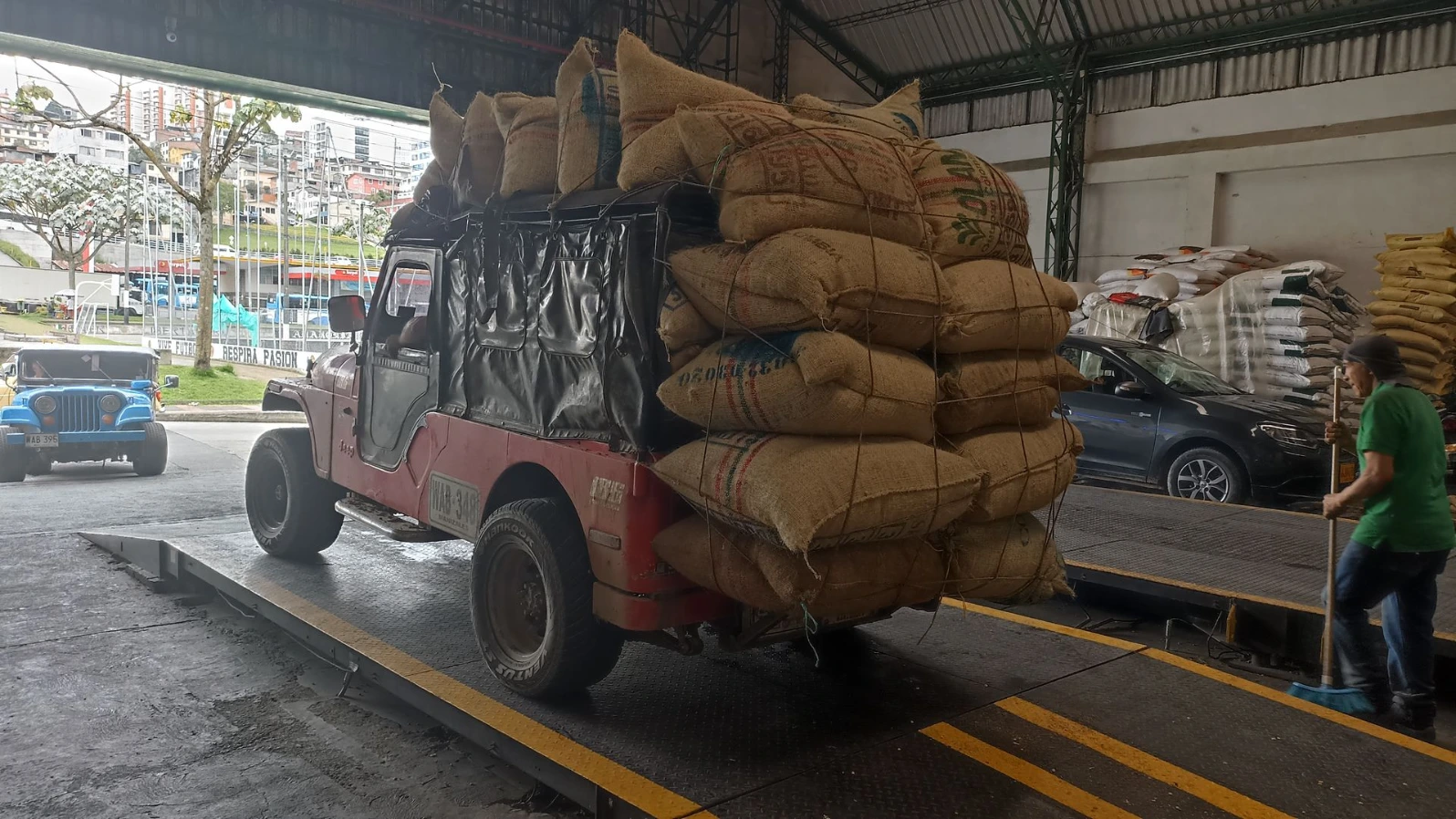
Colombia is predominantly characterized by small plantations with an average size of less than 5 hectares. The coffee plantation La Isabela has an area of approximately 100 hectares. The plantation has been owned by our family for about two decades, with its coffee tradition dating back to the early 20th century. Outside of the harvest season, about 30 employees work on the plantation. This number doubles and triples during the main harvest season.
The employees and harvest workers are half from the region and the other half from the indigenous areas in the northwest of the country. Ten familiar workers of the plantation have been leased plots ranging from 1 hectare to 7 hectares. There, they grow coffee and plantains in coordination with the entire plantation. They pay their lease rights with 20% of the yield. If they have additional capacity, they assist with work on the other plots on the plantation.

Miguel
He is one of the pickers, the good soul, and has been part of Finca La Isabela for many years. He lives on the plantation and spreads good cheer at every corner. For several years, he has leased a lot where he independently grows coffee – of very good quality. Every year, we purchase a large portion of Miguel's coffee.

Eduardo
He is the right hand of Luis Guillermo. He has been managing the plantation for many years and ensures that everything runs smoothly. His wife Azeneth lives with him on the plantation – she provides the workers with delicious food. After Azeneth's traditionally prepared breakfast, all the workers are well-prepared for work.

Luis Guillermo
He is a trained surgeon and invested his fortune in coffee cultivation in the 1970s to continue his family's agricultural tradition. A few years ago, he noticed that coffee cultivation should be approached differently. With us, he is taking the step to try something new and to make all processes on the plantation as sustainable as possible.
How we manage the plantation
NO PESTICIDES, NO HERBICIDES
For more than six years we have been working without chemical pesticides. We remove weeds manually or mechanically. More handwork, but a living soil.
THE ONLY PESTICIDE WE USE
A copper-based treatment, applied once at the nursery when the plants are still tiny to prevent fungal infections. There is a period of one and a half to two years between this treatment and the first harvest. After that, it is never used again.
HOW WE FERTILIZE
As our main fertilizer, we use the pulp, the organic byproduct of coffee processing, as well as cooking banana leaves and plant cuttings that compost in the field. In parts of the plantation, we also use synthetic fertilizers as a supplement. We are working to gradually reduce this share.
WE DON'T EVEN TREAT THE COFFEE BORER ANYMORE
The coffee borer causes significant damage on many plantations worldwide. At La Isabela, we no longer need to combat it chemically. The ecosystem is increasingly regulating it on its own, likely through a combination of mechanical care, natural shading, and the return of beneficial insects. This was different a few years ago.
BIODIVERSITY
INSTEAD OF MONOCULTURE
Today at La Isabela, various tree species, native fruits, and shade trees are growing. Birds have returned, and frogs are appearing in the fields. Signs of a healthy ecosystem.
SOILS
THAT ARE RECOVERING
Fields that previously had poor soils have been regenerated over the years with organic pulp. Soil parasites that once had to be controlled chemically are now regulated by the ecosystem itself.
We call this eco-agricultural farming—not as a label, but as a description of what we do every day.
Our next step: BIOCHAR
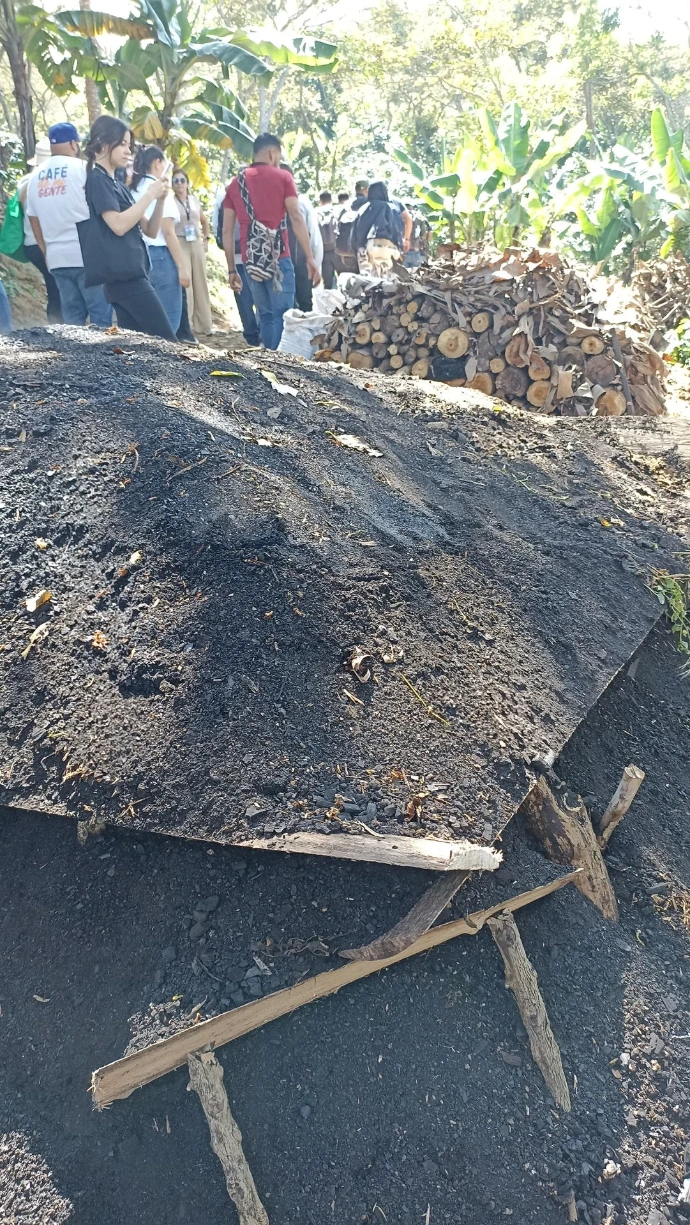
From the cuttings of our coffee plants, we will soon produce biochar through pyrolysis. It improves the soils, retains water near the roots, and permanently binds CO2.
THE REGIONAL STANDARD IS STRICT ANYWAY
The fact that we avoid using chemicals isn’t something we came up with on our own and it’s also a regional standard. The coffee producers’ cooperative in our region has a clear list of prohibited substances. Many substances that were once taken for granted are no longer permitted, including highly toxic herbicides like glyphosate. Local agronomists monitor compliance. This means that coffee from our region is generally free of heavy chemical residues.
We only harvest ripe coffee beans.
During the harvest, we exclusively use a technique called 'picking,' where the ripe coffee cherries are hand-picked. On each coffee tree, the coffee beans ripen at different rates, similar to an apple tree, where not all apples ripen at the same time.
The harvest workers on the farm visit each coffee bush between three and five times per harvest to give all Arabica beans enough time to ripen. Afterwards, the harvested coffee beans are processed by hand and dried in the sun. By paying the harvest workers better than the average in the region, the high quality in these processes is ensured.
The coffee regions of Colombia
The coffee regions of Colombia are known worldwide for their high-quality Arabica coffee. The unique climatic conditions
and the traditional cultivation methods significantly contribute to the special quality.
North
Altitude of coffee cultivation: 1,000 - 1,400 m above sea level.
Coffee regions: La Guajira, Magdalena, Cesar, Bolivar, Norte de Santander, Santander
Central North
Altitude of coffee cultivation: 1,200 - 1,650 m above sea level.
Coffee regions: Antioquia, Chocó, Boyacá, Caldas, Cundinamarca
Central South
Altitude of coffee cultivation: 1,200 - 1,650 m above sea level
Coffee regions: Risaralda, Tolima, Quindio, Valle del Cauca
South
Altitude of coffee cultivation: 1,300 - 1,700 m above sea level
Coffee regions: Huila, Cauca, Nariño
We exclusively grow Arabica coffee varieties
Our coffee plants consist exclusively of different varieties of the Arabica species, including Arabigo, Castillo, Caturra, Cenicafé 1, Geisha, Pink Bourbon, and Tabi. The Castillo and Cenicafé 1 varieties were developed through breeding at Cenicafé (Colombia’s coffee research center). These varieties have characteristics that make them more resistant to diseases and harsher weather conditions. Other varieties, such as Geisha, are more demanding and less productive.
These Arabica plants yield two harvests a year, with the small harvest season running from April to June, and the large harvest between August and November. Typically on the coffee farm "La Isabela," the ratio is 25% to 75% of the total harvest collected in these two periods. However, the small harvest is becoming increasingly smaller due to climate change. Having two harvests is not a given, as they are highly dependent on the microclimate. Besides Colombia, such harvests also occur in Costa Rica, Ecuador, and Peru. The amount of coffee produced in each coffee harvest varies from place to place. In some towns in certain growing areas of Colombia, such as Cauca or Nariño, there can even be a non-intensive but permanent coffee harvest.
the challenges of climate change
The challenges of
climate change
Our coffee plantation "La Isabela"serves as an example of the challenges of coffee cultivation in our region, and likely in other coffee-growing areas at similar latitudes, such as Mexico, Costa Rica, Ecuador, among others.
We have been feeling the signs of climate change for several years now. The altitude of the coffee farm marks the lower altitude limit for coffee cultivation, which a temperate climate can guarantee for coffee plants in Colombia. This location challenges us to better prepare our coffee fields for non-optimal conditions.
When we took over the plantation about three decades ago, it was focused on very intensive production.Since then, we have been treating the fields with environmentally friendly methods. We manually weed without the use of chemical pesticides. Additionally, we control the coffee borer with natural means, such as fungi. Although much more labor-intensive, the new practices have greatly contributed to soil health and biodiversity.
Furthermore, we use organic and mechanical methods in cultivation that allow us to completely forgo pesticides and significantly reduce the use of artificial fertilizers.
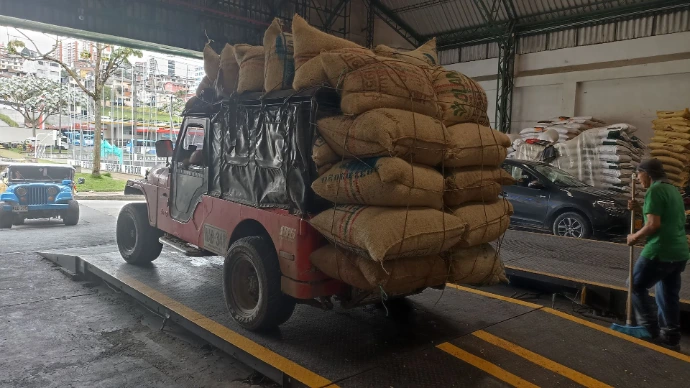
What we pay to farmers for our coffee can be found in our transparency reports.
We do not cultivate any variety
of the Canephora species.
Canephora coffee is not of great significance in Colombia, although Robusta coffee is grown marginally. However, we are not aware of such plantations, and while browsing through the literature, we could not find any statistics on this. Colombia is mainly known for the cultivation of Arabica coffee, which is appreciated worldwide for its mild flavor and high quality. Most Robusta coffee varieties are grown in other countries such as Vietnam and Brazil. Minas Gerais, for example, is one of the most important coffee-growing regions in Brazil and produces both Arabica and Robusta coffee. Robusta coffee is mainly grown in the lower areas of Minas Gerais, while Arabica coffee is grown at higher elevations.