Your Coffee Finder.
Never boring coffee again!
Your Coffee Finder.
Never boring coffee again!
Your daily coffee ritual?
Tell us how you prepare your favorite coffee!
Let us know how you like to drink your coffee and we will find the right coffee for you. Try it now with our Coffee Finder!


How does roast level affect coffee?
It mainly influences the balance between acidity, sweetness and body.
Discover the nuances of roasting.
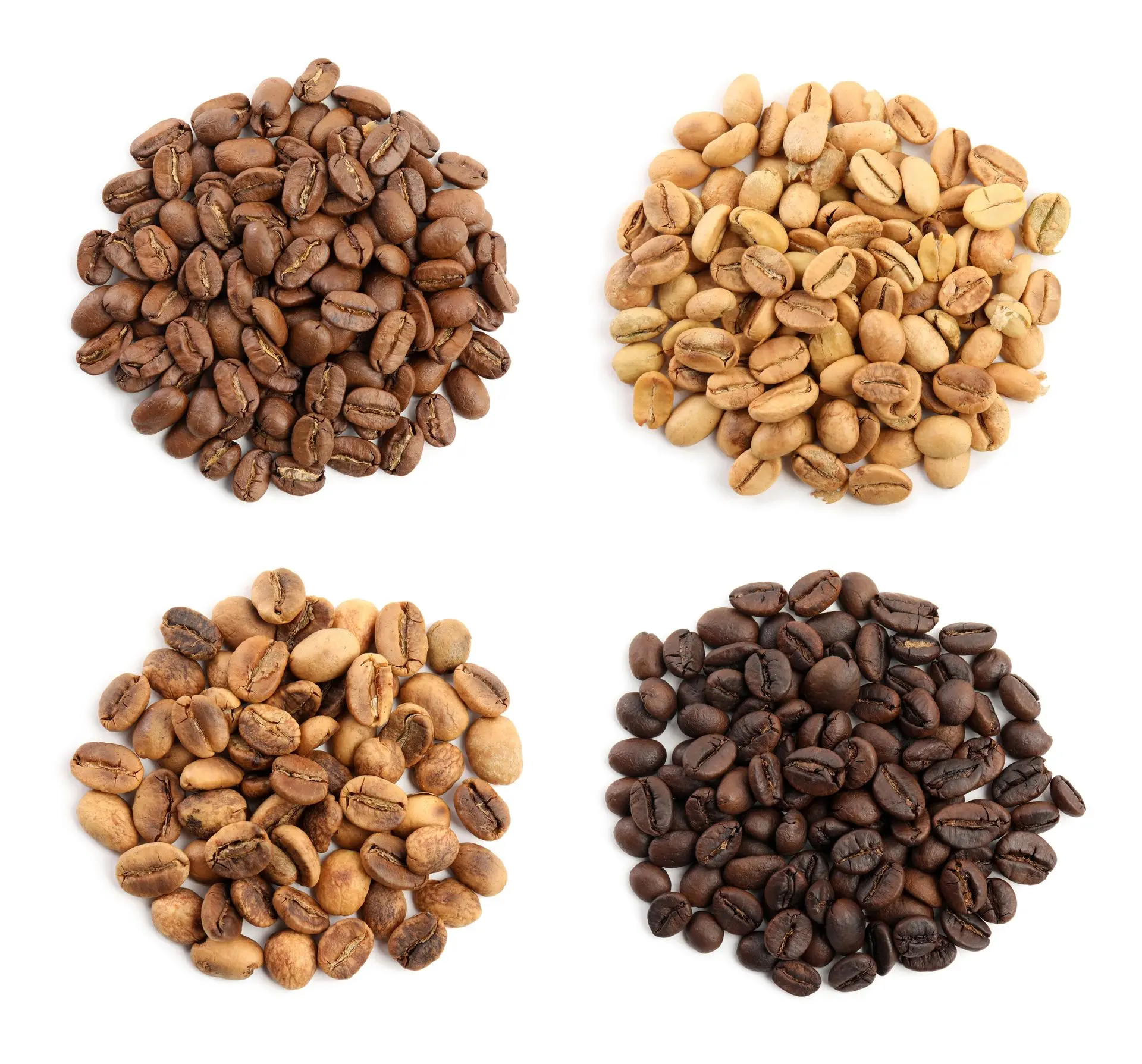
How does roast level affect coffee?
It mainly influences the balance between acidity, sweetness and body.
Discover the art of roasting.

Flavor
The darker the roast, the more intense and complex the flavor becomes. Light roasts are often fruity and floral, while dark roasts tend to taste more chocolatey and smoky.
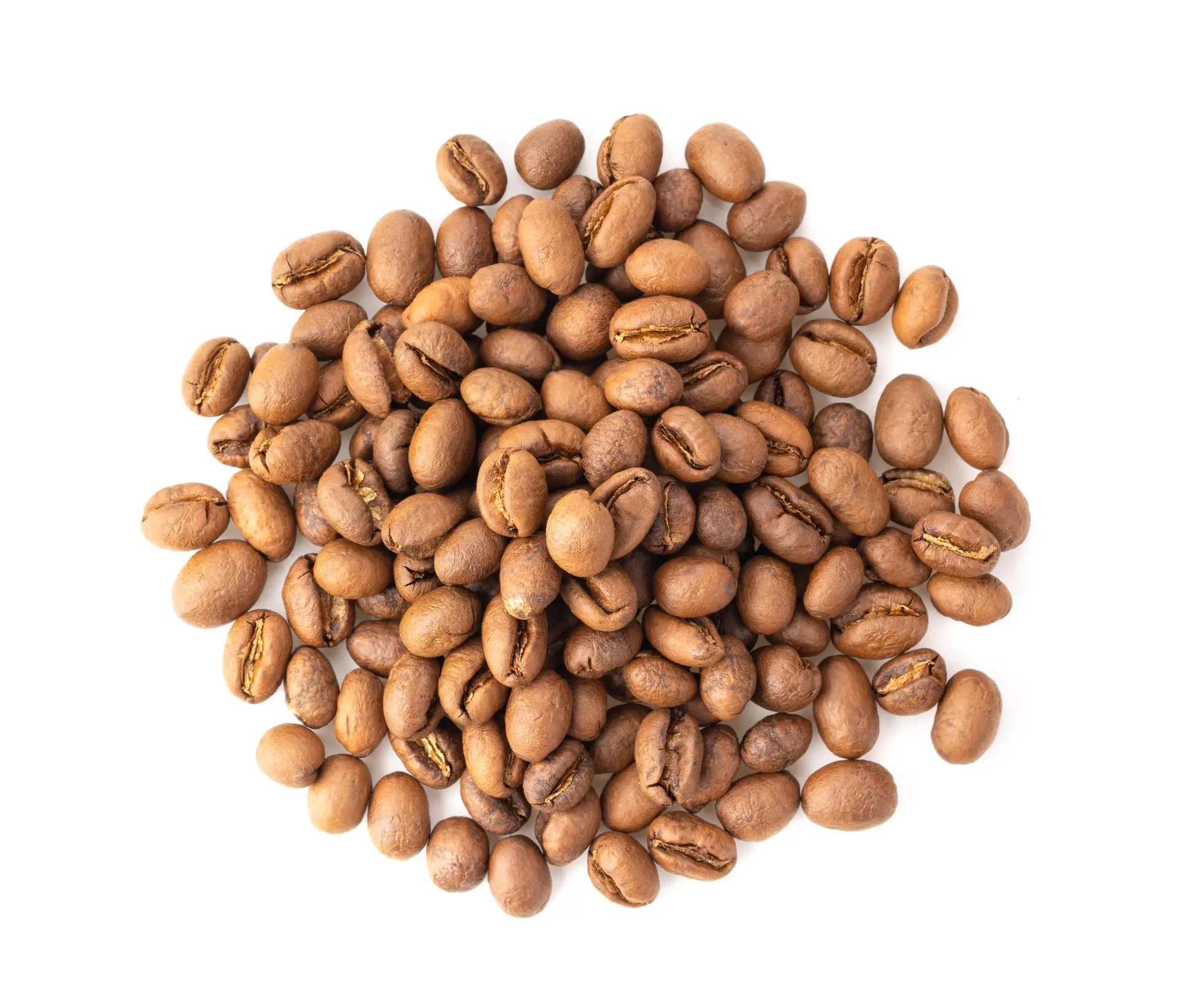
Acidity
The acidity in coffee changes with the roast level: from zesty, fruity notes in light roasts to a harmonious balance in medium roasts, to a gentle, barely noticeable acidity in dark roasts.
Sweetness
The roast level influences the sweetness in coffee, with light roasts highlighting the natural, fruity sweetness, medium roasts offering a balanced caramel and chocolate sweetness, and dark roasts developing an intense, caramelized sweetness with roasted flavors.
Body
The roast level shapes the profil of the coffee: from a light, almost watery impression in light roasts, to a pleasant fullness in medium roasts, to a heavy, oily sensation in dark roasts.
Which roast is right for me?
Choosing the right roast level is very individual and depends on your personal taste.
With these 3 roast levels -MILD - MEDIUM - STRONG- you will quickly find the best coffee for your taste!
If you like it mild and fruity:
Then a light roast is ideal.
If you prefer a balanced flavor:
A medium roast is a good choice.
If you like it strong and intense:
Then you should go for a dark roast.
- Short roasting time:Compared to medium or dark roasted beans, light roasted coffee beans are roasted for a shorter time. This allows many of the original flavors of the coffee bean to be preserved.
- Acidity:Light roasts are known for their pronounced acidity. This can range from fruity to citrusy to floral, often reminiscent of berries, citrus fruits, or even certain flowers.
- Body:The body is relatively light and delicate compared to dark roasts.
- Flavors:The flavors are diverse and complex. In addition to the acidity, you can often perceive notes of caramel, honey, or even spices.
- Medium roast time:The roasting time of a medium roast is in the middle between a light filter coffee roast and a dark espresso roast.
- Acidity:The acidity in medium roasts is moderate. It is present but not as dominant as in light roasts. There may be fruity or slightly citrusy notes, but they are subtler.
- Body:The body in medium roasts is fuller than in light roasts. It is neither too light nor too heavy and offers a pleasant mouthfeel.
- Flavors:Medium roasts offer a wide range of flavors. In addition to a pleasant acidity, notes of chocolate, nuts, caramel, or honey may emerge. The flavors are complex but balanced.
- Longer roast time:Our strong roasts undergo a long roasting process that goes far beyond that of a medium roast.
- Acidity:In strong roasts, the acidity takes a back seat. It is hardly noticeable, which makes the coffee particularly smooth and pleasant.
- Body:The strong roast gives the coffee a very full and heavy body. It feels velvety and intense in the mouth.
- Aromas:Our strong roasts are characterized by an intense spectrum of aromas, ranging from dark chocolate, cocoa, and roasted nuts to caramel and subtle smoky notes.
Three preparations – three flavor profiles.
In the world of coffee, there is not just one bean, but also different ways to prepare it.
The processing of coffee cherries has a significant impact on flavor. Each method brings its own unique character to the cup.

Natural
The beans dry in the whole fruit without being washed. This results insweet, fruity, and full-bodied flavor profiles..
Washed:
After removing the pulp, the beans are fermented and washed in water. The result is:clear, fresh, and vibrant aromas..
Carbon Dorado TintoPink Bourbon Dark BourbonTabi La Cristalina
Honey Process
After mechanically removing the pulp, the beans dry with a sticky, honey-like layer. This createsa balanced combination of sweetness, body, fruit, and clarity.